

We’ve all heard the phrase, “Let it go.” But how can you let go of something that lives inside you? Not just in your memory, but in your body?
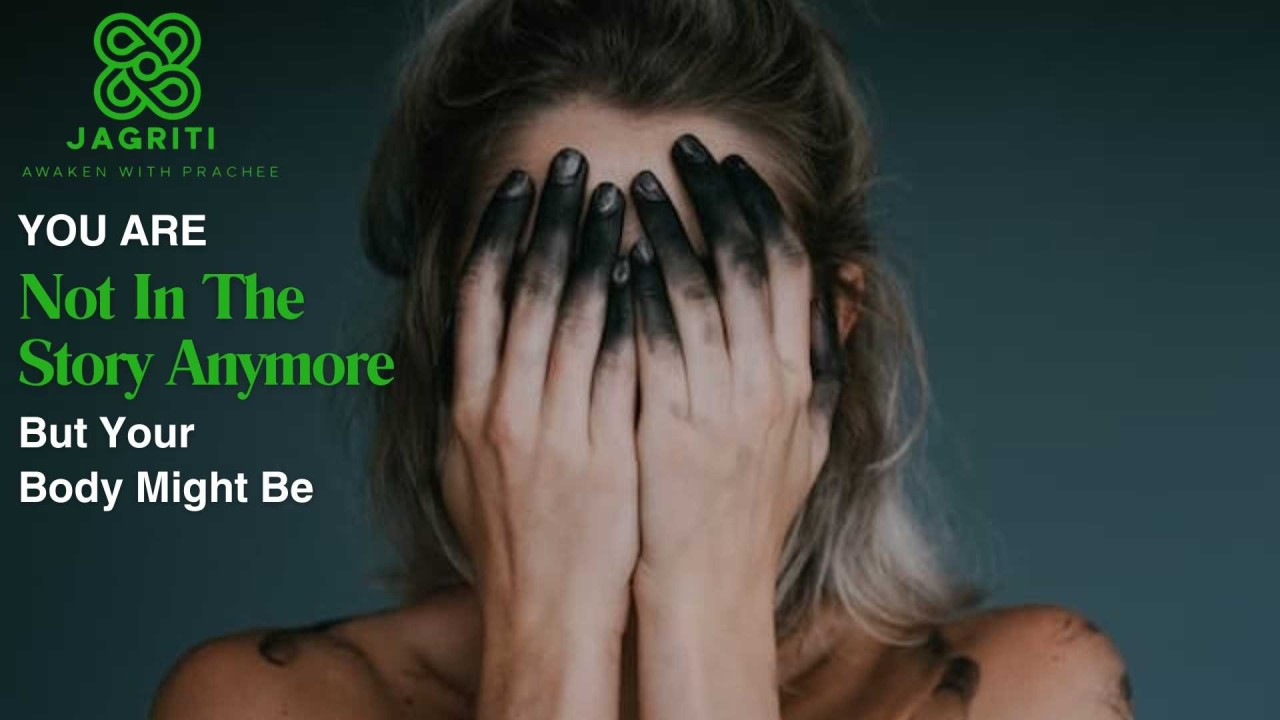
Recently, I shared a post here that deeply resonated with many of you. It began with: “You’re not in that story anymore. So why are you still living in it?”
This post wasn’t just a reflection; it was a call to awareness. It explored how we carry emotional wounds long after the moment of hurt has passed. But today, I want to take this further, into the quiet, sacred space where emotions turn into physical sensations.
This article is about how unprocessed emotional pain becomes chronic bodily pain, and how we can finally begin to release it. Let’s dive into the article.
The Body Keeps the Score
When something painful happens, betrayal, abandonment, abuse, or silence, we often believe it’s over once it stops happening. But your nervous system doesn’t work that way. Trauma doesn’t stay in the mind; it settles into the body.
You may think you’ve moved on, but your body is still telling the story:
- In the tightness in your chest
- The constant fatigue
- The migraines before every confrontation
- The inexplicable pain in your lower back
These symptoms aren’t random. They’re messages from your body to you asking to be felt, heard, and released.
How Pain Manifests in the Body
Each part of the body carries its own emotional symbolism. Here’s how many people experience it:
- Neck and shoulders: Carrying burdens that aren’t yours. Holding back words. Responsibility overload.
- Upper back: A lack of emotional support. Feeling unloved or unseen.
- Lower back: Financial fears. Stability issues. Unresolved guilt.
- Hips: Fear of moving forward. Past sexual trauma. Resistance to change.
- Stomach and gut: Fear, anxiety, and unprocessed grief.
- Throat: Suppressed voice. Not speaking your truth.
- Head and temples: Overthinking. Lack of clarity. Suppressed intuition.
Pain is not just pain. It’s a story your soul has been trying to tell you.
You Built an Identity Around the Pain
When trauma happens, the ego tries to protect you by making meaning of it. We say to ourselves:
- “This is why I can’t trust.”
- “This is why I’m alone.”
- “This is why I don’t feel worthy.”
And we live inside these statements, like rooms in a haunted house. Over time, they become an identity, a defence mechanism, a way to survive.
But beloved, surviving is not the same as living.
How to Begin Releasing It
Healing doesn’t happen overnight. But it begins the moment you say: “I don’t want to carry this anymore.”
Here’s how to start:
1. Body Awareness Practice: Sit quietly and scan your body. Where do you feel tightness, pain, or numbness? Gently ask that part: “What are you trying to tell me?” Listen with love, not logic.
2. Somatic Therapy & Breathwork: These practices help you release stuck trauma by involving the body in healing. Breathwork, especially, can unlock repressed emotions safely.
3. Journaling as a Witness: Write to your pain without judgment. Ask it what it needs. You’d be amazed at how much your subconscious will reveal when asked gently.
4. Spiritual Healing & Energy Work: Modalities like Reiki, chakra healing, and guided meditation can clear energetic blocks caused by unresolved emotions.
5. Forgiveness For You: Forgiveness is not about condoning what happened. It’s about reclaiming your energy from that story. It’s about freedom.
You Are Not Broken; You’re Becoming
Healing isn’t about erasing the past. It’s about rewriting the narrative from within. You are not broken, you are becoming. The very fact that your body still aches is not a sign of weakness; it’s a sacred invitation to come home to yourself.
So, I’ll ask you again: What are you still carrying that you no longer need?
Your pain matters. But so does your peace. You don’t need to hold both forever.
If this spoke to your soul, share in the comments: What’s one part of your body that’s been asking for healing? Together, we’re not just healing, we’re remembering who we truly are.